Contents
What wellbeing learning looks like in EYFS
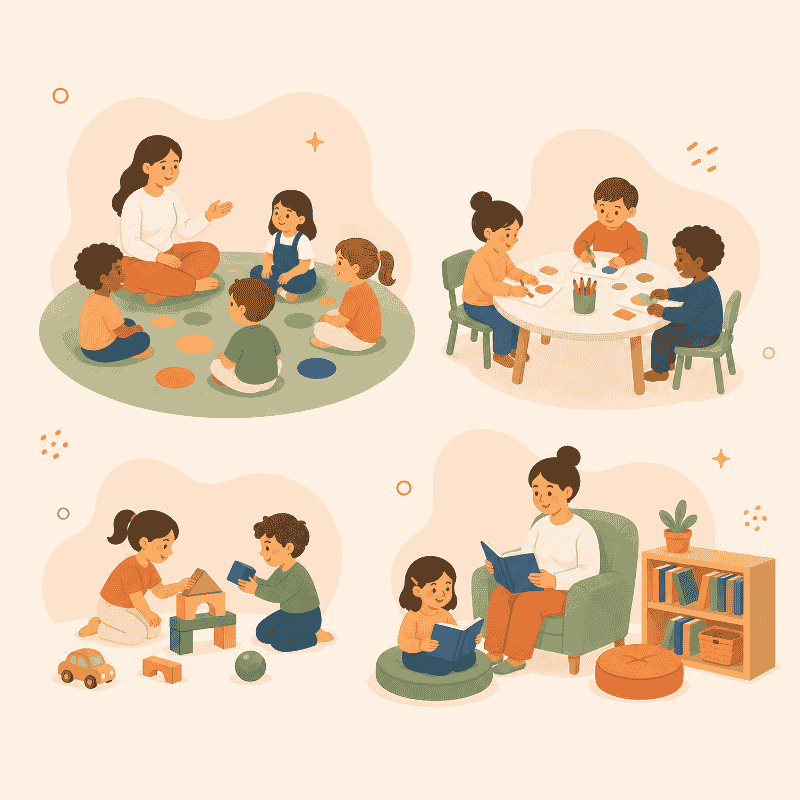
How PSHE-related learning appears across the EYFS day
Arrival and separation
Continuous provision and play
Snack time and healthy routines
Outdoor learning and transitions
Stories and group time
Clarify the difference between PSED and PSHE
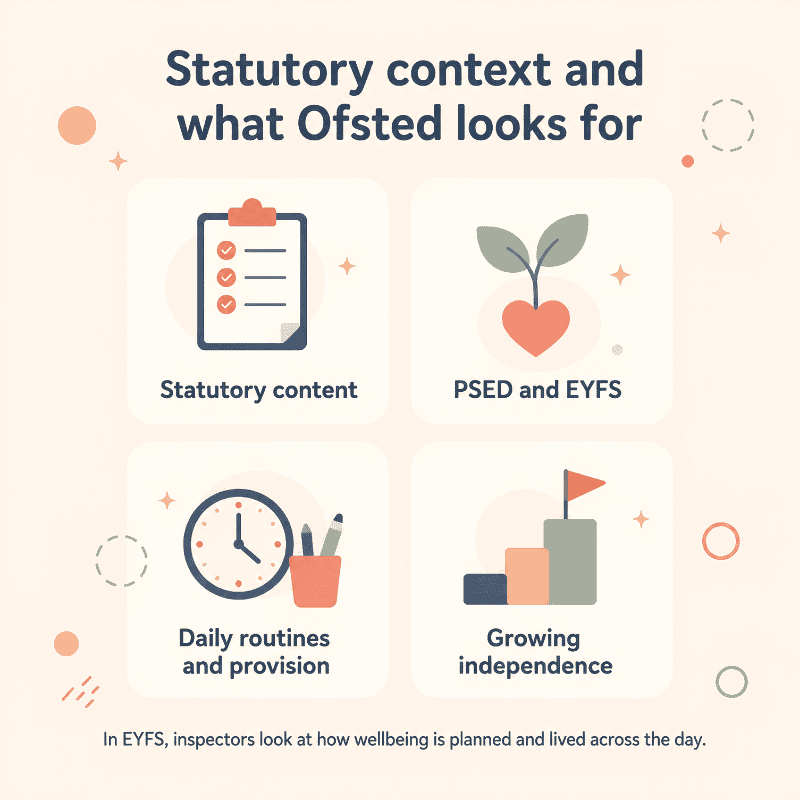
Statutory requirements and Ofsted expectations for PSHE in EYFS
Identify the wellbeing goals children can realistically secure
Build learning through routines, play and adult modelling
Choose age-appropriate PSHE themes for Reception
Track progression without forcing Key Stage 1 methods too early
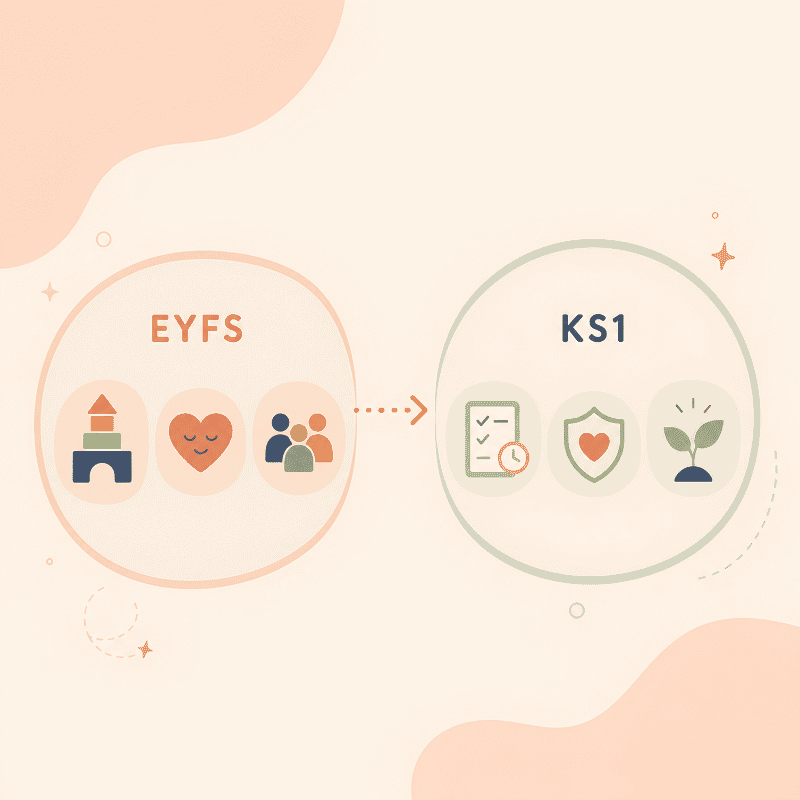
Planning a simple EYFS to Key Stage 1 progression
Strengths and considerations of an EYFS wellbeing approach
Strengths
Considerations
How Muse Wellbeing supports EYFS and whole-school progression
How to judge whether your EYFS PSHE offer is strong enough
1. Age-appropriate content
2. Learning across the day
3. Clear progression into Year 1
4. Confident and consistent staff
5. Safeguarding awareness
Planning risks to avoid
What to do next
Frequently Asked Questions
Is PSHE statutory in EYFS?
PSHE is not named as a separate statutory subject in the EYFS framework. Many PSHE foundations are taught through PSED and other areas of the EYFS curriculum. Reception pupils must be taught Relationships Education, while Health Education is compulsory in state-funded schools. Teaching should be suitable for children’s age and development.
What is the difference between PSED and PSHE?
PSED is a prime area of learning in the EYFS. PSHE is a broader curriculum area used by schools to organise learning about relationships, health, safety, economic wellbeing and life in the wider world. In Reception, PSED provides many of the foundations that later develop through PSHE.
What should Reception children learn about wellbeing?
Children should begin to recognise feelings, ask for help, build friendships, take turns, follow simple routines and understand basic healthy and safe choices. These are early foundations rather than advanced personal reflection skills.
Should PSHE in EYFS be taught as a separate lesson?
PSHE-related learning does not need to be taught only through a separate weekly lesson. Short planned sessions can be useful, but they should sit alongside learning through play, stories, routines, transitions and adult interaction. Children need repeated opportunities to apply the learning in real situations.
How do we assess PSHE in Reception?
Assessment should usually be observational and proportionate. Staff can notice how children respond to routines, express feelings, interact with others, seek help and use taught language over time. Brief notes and planning annotations are usually more useful than worksheets.
What are suitable EYFS PSHE topics?
Suitable topics include feelings, friendships, belonging, trusted adults, healthy routines, personal safety, classroom expectations and coping with change. Themes should be concrete and connected to children’s daily lives.
What if a child’s comments raise a concern?
Listen calmly and avoid investigating the concern or asking leading questions. Follow the school’s safeguarding procedures and report the concern to the designated safeguarding lead or deputy without delay. Staff should not promise confidentiality.
Key takeaways
Conclusion
Explore the Muse Wellbeing primary PSHE curriculum
Latest from our blog

Muse Wellbeing
About
Support
Subscribe for RSHE & Wellbeing Updates & Learning Resources
Created with