
Anti-Bullying in Key Stage 1
Mar 6
/
Muse Wellbeing

Author: David
David is the Muse Wellbeing director and lead curriculum developer. His Main passions include education, surfing and travelling.
David is the Muse Wellbeing director and lead curriculum developer. His Main passions include education, surfing and travelling.

Edited/Reviewed: George
George is an international school teacher based in Asia. A passionate language learner and polyglot, he thrives in diverse classrooms.
George is an international school teacher based in Asia. A passionate language learner and polyglot, he thrives in diverse classrooms.
Anti bullying education in KS1 is a vital component of developing young children's understanding of kindness, respect and positive behaviour at an early age. In the early stages of schooling, pupils begin to learn how friendships work, how their actions affect others and how to resolve minor disagreements appropriately. Teaching anti bullying KS1 concepts helps create a safe and supportive classroom environment where every child feels valued.
In this post we explore why anti bullying education is so important in KS1, what teachers can do to support children who have experienced bullying and provide examples of practical anti bullying KS1 classroom activities that encourage empathy and the development of positive relationships.
Why Anti Bullying Matters in Key Stage 1
Key Stage 1 anti bullying work focuses on helping young children understand the difference between kind and unkind behaviour. At this age, pupils are developing their awareness of others and learning how friendships work. The ways children learn to treat one another during these early years can have a lasting influence on how they manage relationships as they grow older.
Bullying in younger classrooms can take several forms. This may include repeatedly excluding a peer from play, using hurtful language or deliberately upsetting another child. While much of this behaviour at this age is linked to developing social skills rather than malicious intent, it still provides valuable opportunities for learning.
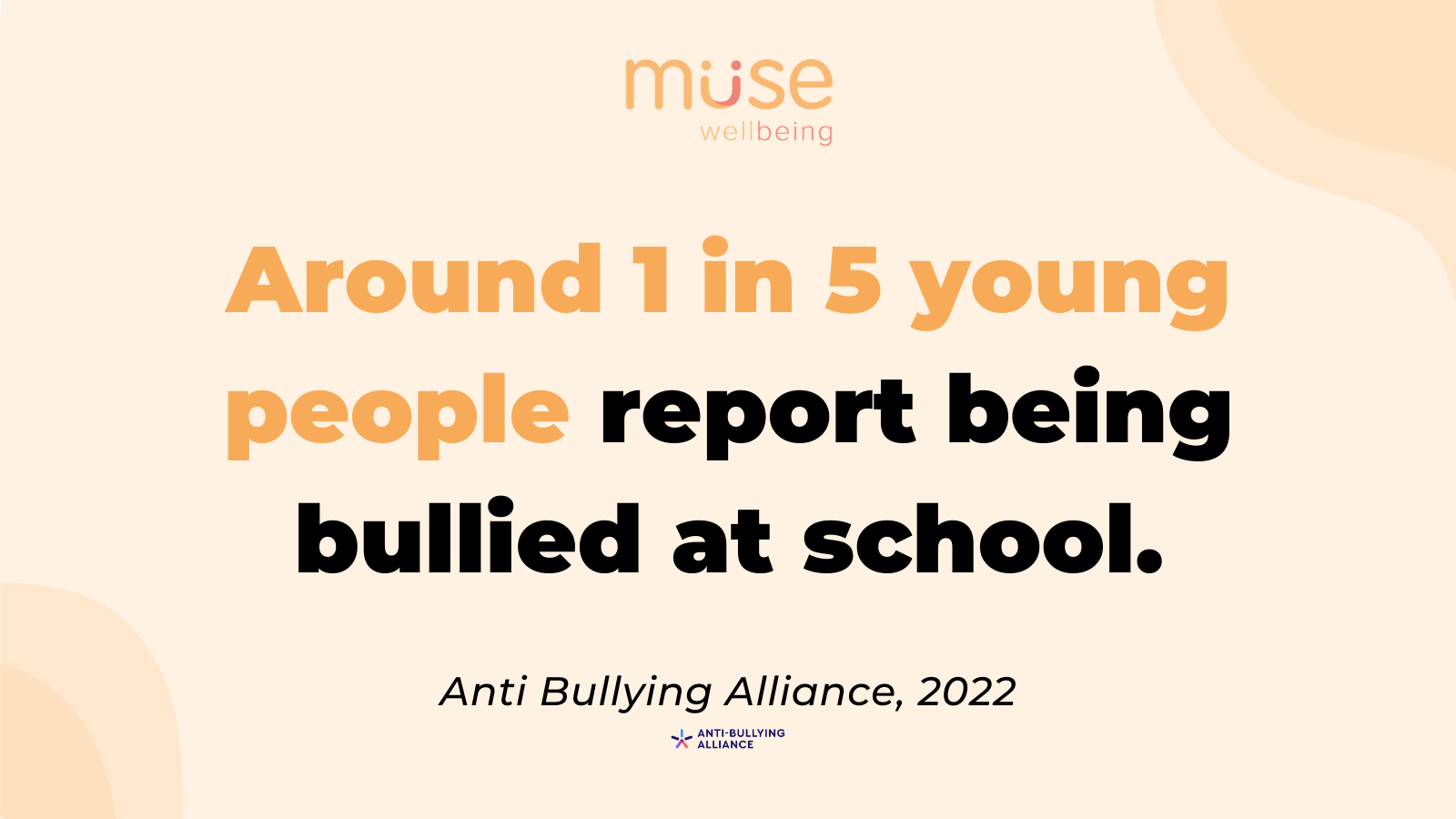
Anti bullying KS1 education helps children understand how their actions affect others. Pupils begin to recognise emotions such as sadness, frustration and loneliness, encouraging them to think about the feelings of their classmates when making choices.
The PSHE Association highlights that schools should help pupils recognise bullying behaviour, understand why it is harmful and develop strategies for building positive relationships. You can explore this further through the PSHE Association guidance on bullying and discrimination.
Starting anti bullying education in Key Stage 1 helps establish clear expectations around kindness and respect, creating a strong foundation for positive behaviour as pupils progress through primary school.
Supporting Children Affected by Bullying
Supporting children affected by bullying is an important part of anti bullying education in Key Stage 1. Younger pupils may sometimes find it difficult to explain their feelings clearly, so teachers and school staff need to remain aware of possible emotional or behavioural changes.
The charity YoungMinds highlights that bullying can have a significant impact on children’s confidence and wellbeing. Their guide to coping with bullying explains the importance of early support and open conversations about feelings.
Children who are experiencing bullying may appear withdrawn, anxious or reluctant to take part in certain activities. Providing opportunities for pupils to talk with trusted adults can help schools respond early and support children appropriately.
Schools can support pupils in several ways:
- Encouraging children to speak to a trusted adult
- Establishing clear classroom expectations around kindness
- Helping pupils practise positive conflict resolution
- Communicating with parents when concerns arise
The charity YoungMinds highlights that bullying can have a significant impact on children’s confidence and wellbeing. Their guide to coping with bullying explains the importance of early support and open conversations about feelings.
When pupils know they are listened to and supported, they are more likely to report concerns and seek help when needed.
Anti Bullying Activities for KS1 Pupils
Many anti bullying activities used in KS1 classrooms are simple, interactive and discussion based. Young children often learn best through shared experiences, storytelling and guided conversations about emotions and relationships.
Role Play in Anti Bullying Lessons
Role play is an effective way to deliver anti bullying education in Key Stage 1. Pupils can act out short scenarios that demonstrate both positive and negative behaviours.
For example, pupils might explore situations where someone is excluded from a game or where a classmate helps someone who is feeling upset. After the role play activity, the class can discuss how the characters might feel and how the situation could be improved.
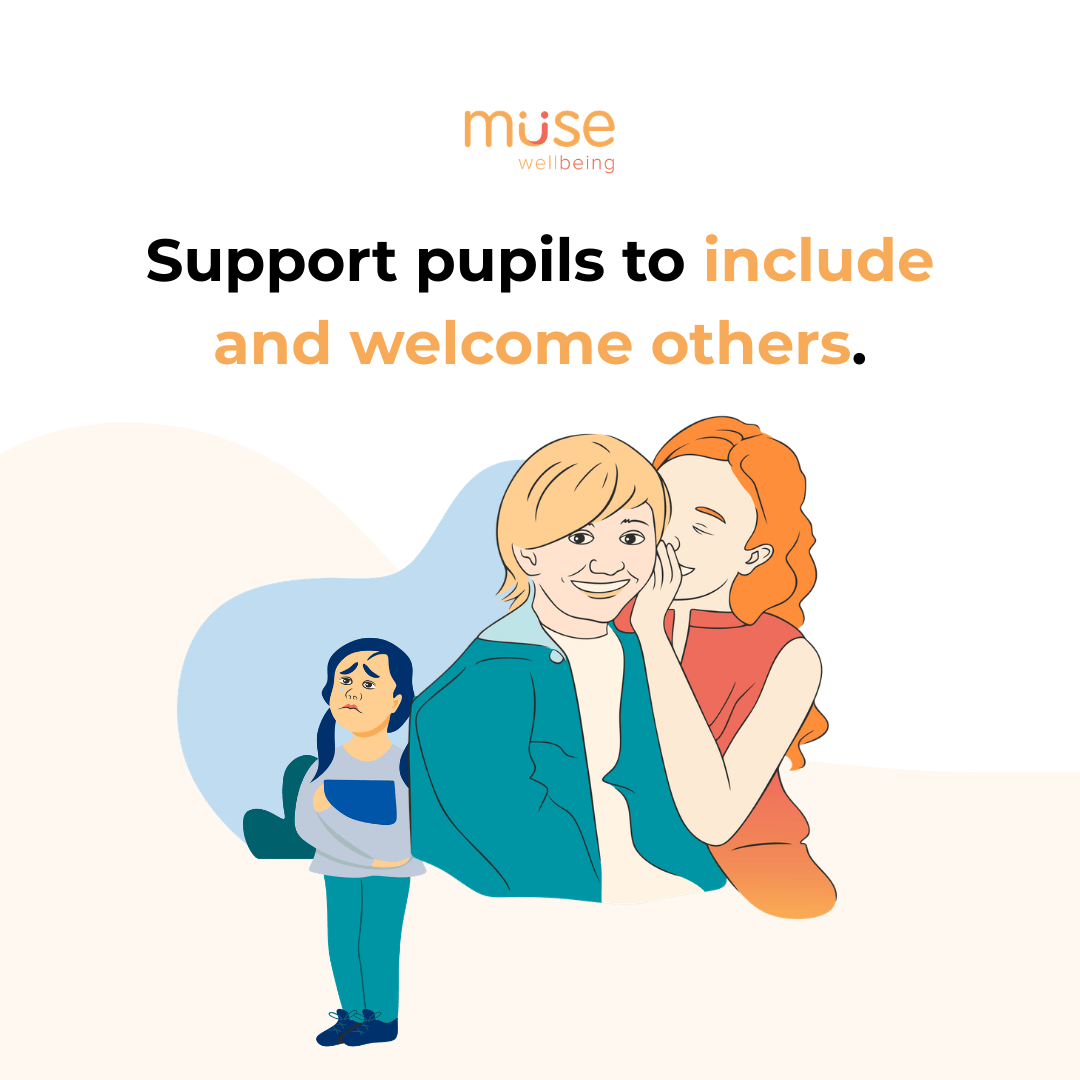
These discussions help pupils practise empathy and begin to develop language for resolving small conflicts.
Stories for Anti Bullying
Stories can also be a powerful way to introduce anti bullying discussions in Key Stage 1. Many children’s books explore themes of friendship, kindness and looking out for others.
Teachers can pause while reading to ask pupils how they think a character feels or how a problem in the story might be resolved. This encourages pupils to connect the events in the story to their own experiences in the classroom.
Traditional Circle Times
Circle time is a familiar format in many primary classrooms. Pupils sit together to share their ideas and experiences in a calm and respectful environment.
Circle time discussions might focus on questions such as:
Circle time discussions might focus on questions such as:
- What makes a good friend
- How we can include others in games
- What to do if someone feels upset
These discussions help children practise listening carefully, sharing ideas and understanding different perspectives.
For further guidance on recognising and responding to bullying behaviours, the Anti-Bullying Alliance provides useful information about different forms of bullying.
Building an Anti Bullying School Culture
One of the most effective ways to reduce bullying is to build a positive school culture. Assemblies, PSHE lessons and everyday classroom routines all provide opportunities for schools to promote kindness, empathy and respect.
Teachers often reinforce these values by celebrating acts of kindness, encouraging teamwork and modelling respectful behaviour during daily interactions with pupils. Whole school initiatives such as kindness projects, friendship weeks or wellbeing days can also strengthen these messages. When pupils regularly see positive behaviour recognised and encouraged, they begin to understand that everyone should be treated with respect.
Anti bullying education also develops throughout the primary years. As pupils grow older, discussions can become more detailed and explore more complex social situations. You can explore this progression further in our guide to anti bullying lessons KS2.
For a broader overview of bullying prevention, our article on bullying in British schools explores the wider context of bullying education across the UK.
At Muse Wellbeing, our curriculum supports schools with structured PSHE lessons that develop empathy, emotional awareness and respectful relationships throughout primary school. To learn more about how these topics are delivered across year groups, find out more about the curriculum here.
By embedding anti bullying education from the earliest stages of learning, schools help children develop the values and social skills needed to build respectful relationships both inside and outside the classroom.

Better Wellbeing for all
school communities
school communities
Muse Wellbeing
Support
Subscribe for RSHE & Wellbeing Updates & Learning Resources
Receive essential information on RSHE and wellbeing for your school and community
Thank you!

Copyright © 2026 Muse | All Rights Reserved.
Ready to logout of Muse Wellbeing?
logout of Muse Wellbeing?Write your awesome label here.
Created with