
Wellbeing in Schools: A Complete Guide
Authored by the Muse Wellbeing Team
First Published on the 13th of April, 2026.
Lead Writer
David is a qualfied British teacher and the Muse Wellbeing director and lead curriculum developer. His main passions include education, surfing (badly) and travel.
Editor and Review
With over 15 years of experience teaching in primary schools in northern England, Charlotte has played a key role in shaping many lessons across the Muse Wellbeing curriculum.
Wellbeing in schools is now widely recognised as a core part of effective education. It shapes how pupils learn, behave and relate to others, while also influencing the wider culture of a school. When wellbeing is supported consistently, pupils are more likely to feel safe, engaged and ready to learn, and staff are more likely to feel supported in their roles.
Rather than sitting outside academic success, wellbeing helps make it possible. When schools support the emotional, social and physical wellbeing of pupils and staff, they create stronger foundations for behaviour, attendance and long-term progress.
What Is Wellbeing in Schools
Wellbeing in schools refers to the emotional, mental, social and physical health of pupils and staff within the school environment. It is about creating conditions in which people feel safe, included and able to thrive.
For pupils, this includes managing emotions, building healthy relationships and developing confidence. For staff, it includes feeling supported, valued and able to work in a sustainable way. The NHS explains wellbeing as being closely linked to both mental and physical health, which is one reason schools increasingly see it as an essential part of education rather than something separate from it.
In practice, this means schools are often better placed to support learning when pupils feel secure, included and ready to engage.
Why Wellbeing in Schools Matters
Wellbeing in schools affects daily school life in clear and lasting ways. Pupils who feel supported are usually better able to focus, take part in lessons and manage everyday challenges. They are also more likely to build positive relationships and respond well to routines and expectations.
Its importance goes beyond classroom performance. Wellbeing also affects how pupils see themselves, how they respond to setbacks and how positively they engage with school as a whole. Research from The Children’s Society continues to highlight the importance of children feeling happy, safe and connected in their daily lives, including at school.
That is why wellbeing is increasingly treated as part of effective school practice, not something separate from teaching and learning.
Key Areas of Wellbeing in Schools
Wellbeing in schools usually includes several connected areas. Emotional wellbeing involves recognising feelings, expressing them appropriately and learning how to manage responses. Social wellbeing includes friendships, communication, empathy and a sense of belonging. Physical wellbeing relates to healthy habits such as movement, sleep and self-care. Mental wellbeing brings these areas together through confidence, resilience and the ability to cope with everyday pressures.
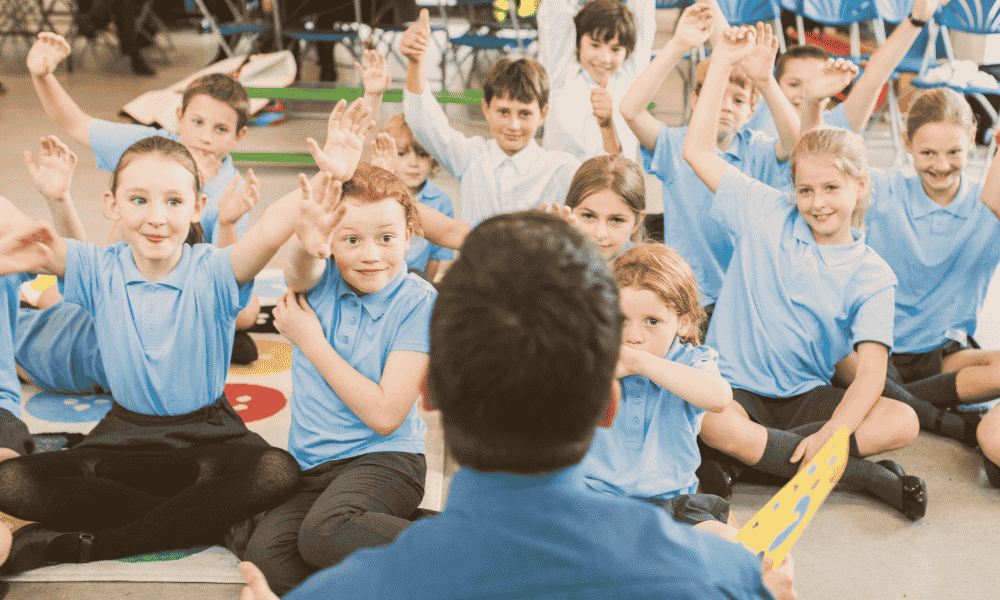
This broader view matters because school life is multi-layered. A pupil may be doing well academically while struggling socially, or may seem settled in class while finding emotional regulation difficult. Schools that take a more rounded view are better placed to respond meaningfully.
This is particularly relevant in primary settings, where emotional habits, social behaviours and attitudes to learning are still being formed.
The Importance of Wellbeing for Students and Staff
Although pupil wellbeing is often the main focus, staff wellbeing also plays a major role in shaping the school environment. Healthy school cultures depend on both. When teachers and support staff feel supported and valued, they are better able to build strong relationships, maintain consistency and create calm, purposeful classrooms.
The wider educational framework reinforces this too. The Department for Education guidance on relationships, sex and health education places clear emphasis on emotions, relationships, mental wellbeing and healthy living. That helps show why wellbeing in schools is not simply desirable. It is part of the broader educational picture schools are expected to address.
For pupils, wellbeing supports participation and personal development. For staff, it supports consistency, communication and long-term sustainability. Many of these foundations are especially important in wellbeing in primary schools, where early emotional and social development can shape future learning and behaviour.
Examples of Wellbeing in Schools
There are many ways wellbeing can be seen in schools, both through planned teaching and through everyday routines. Many schools use PSHE lessons to explore feelings, friendships, self-awareness and health. Assemblies may focus on themes such as kindness, resilience, belonging and respect. Teachers may also use check-ins, reflection activities and classroom routines that help pupils feel settled, listened to and included.
Some schools go further by introducing peer mentoring, wellbeing ambassadors or calm spaces where pupils can pause and reset. Others build wellbeing into wider curriculum planning so that personal development is not treated as a one-off topic, but as something that develops over time.
To make this easier to manage, many schools look for a structured PSHE curriculum that supports both personal development and whole-school consistency.
Wellbeing Initiatives in Schools That Work
While one-off awareness days or themed weeks can be useful, long-term impact usually comes from consistent practice rather than short bursts of activity. The strongest wellbeing initiatives tend to be the ones that are built into daily school life and supported over time.
Successful approaches often focus on routine, pupil voice, calm classroom environments and teaching that helps children recognise and manage their emotions. Schools may also use assemblies, themed activities and pastoral support to reinforce those messages more widely. What makes the biggest difference is whether these efforts form part of a broader strategy. Schools wanting a more practical view of how to promote wellbeing in schools often find that the best results come when everyday routines, curriculum design and school culture are all working together.
The PSHE Association has long emphasised the value of planned, progressive personal development, which fits closely with this kind of structured approach.
The PSHE Association has long emphasised the value of planned, progressive personal development, which fits closely with this kind of structured approach.
Wellbeing in the Classroom
The classroom is one of the most influential spaces in which wellbeing is shaped. Large statements about values may have a role, but small, daily interactions between teachers and pupils often have a much greater impact. Clear routines, calm communication, positive language and inclusive teaching all help build a safe and supportive environment.
Pupils are more likely to thrive when expectations are clear and relationships are respectful. They also benefit when teachers create opportunities for discussion and reflection in ways that are age appropriate and manageable. This does not mean every lesson needs to focus directly on wellbeing. It means that the way teaching is delivered can either strengthen or weaken pupils’ sense of security and belonging.
Many schools strengthen this by linking classroom practice to wider personal development themes. One example of how wellbeing can be supported through planned teaching rather than occasional discussion can be seen in these PSHE topics for primary schools.
How Schools Can Promote Wellbeing Effectively
Most successful wellbeing work relies on consistency. Schools are most effective when curriculum, routines, policies, communication with families and the wider culture all reflect shared values and clear expectations. This helps ensure that wellbeing is present across the whole school experience rather than being limited to one lesson or one week each year.
Leadership plays an important part in this. When school leaders prioritise wellbeing, it becomes easier to support staff, involve families and build systems that are practical and sustainable. Staff training also matters, especially when schools want a shared language around wellbeing and a more consistent response to pupil needs.
An organised approach is usually far more effective than a reactive one. Schools may begin with separate initiatives, but the strongest outcomes tend to come when those initiatives are joined together through a clear plan for teaching, behaviour, communication and support.
The Role of PSHE in School Wellbeing
PSHE education is one of the clearest ways schools can support wellbeing in a structured and purposeful way. It gives schools the opportunity to teach emotional literacy, relationships, physical and mental health, communication and decision-making in a deliberate and age-appropriate way.
This matters because wellbeing skills develop over time. Pupils need repeated opportunities to revisit key ideas, reflect on experiences and build the language needed to understand emotions, choices and relationships. A well-sequenced curriculum helps schools do this with greater clarity and consistency. Many of these foundations are especially important in primary settings, which we explore further in our guide to wellbeing in primary schools.
It also supports staff. When teachers work within a structured framework, they are better placed to deliver lessons confidently and connect wider school values to practical classroom learning.
Building a Whole-School Approach to Wellbeing
A whole-school approach means wellbeing is woven into the life of the school rather than added on at the edges. It can be seen in leadership decisions, staff culture, curriculum planning, classroom practice and the overall tone of the environment.
This kind of approach helps schools move from good intentions to consistent action. Pupils receive clearer messages, staff feel more supported and families are more likely to understand the school’s priorities. Over time, that can contribute to stronger relationships, better engagement and a calmer school culture.
Wellbeing in schools is not a single initiative or lesson. It is an ongoing part of how schools help pupils and staff flourish. When it is planned for carefully and supported consistently, it can have a meaningful impact across the whole school community.

Better Wellbeing for all
school communities
school communities
Muse Wellbeing
Support
Subscribe for RSHE & Wellbeing Updates & Learning Resources
Receive essential information on RSHE and wellbeing for your school and community
Thank you!

Copyright © 2026 Muse | All Rights Reserved.
Ready to logout of Muse Wellbeing?
logout of Muse Wellbeing?Write your awesome label here.
Created with