
Internet Safety in KS2: A Guide for Primary Schools
Authored by the Muse Wellbeing Team
First Published on the 28th of April, 2026.
Lead Writer
David is a qualfied British teacher and the Muse Wellbeing director and lead curriculum developer. His main passions include education, surfing (badly) and travel.
Editor and Review
With over 15 years of experience teaching in primary schools in northern England, Charlotte has played a key role in shaping many lessons across the Muse Wellbeing curriculum.
Internet safety in KS2 helps pupils learn how to behave online, who they can turn to for support, what digital footprints are and what to do when something does not seem right. Pupils in Years 3 to 6 are using the internet more often and in more varied ways. This may include gaming, searching for information, watching videos, using learning platforms or AI systems, chatting with others or sharing devices at home and school.
For this reason, teachers need to help pupils understand how to behave responsibly online and with connected devices, recognise possible risks and ask for help when they need it.
Why Internet Safety in KS2 Matters
Internet safety is an important part of preparing pupils for life in today’s world. As KS2 pupils become more independent online, they still need adult guidance, clear boundaries and regular conversations about what they see, share and experience. This matters because online behaviour can affect pupils’ friendships, wellbeing, privacy and personal safety.
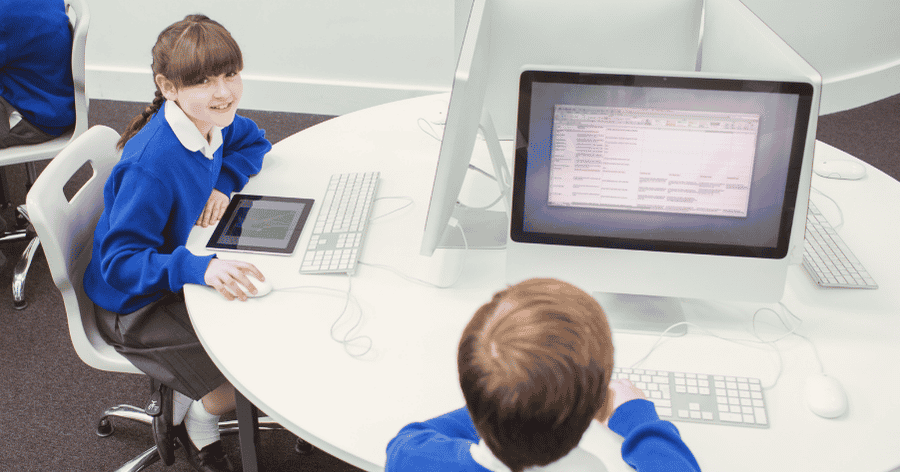
The DfE’s teaching online safety in schools guidance explains that online safety can be taught through several curriculum areas, including relationships education, health education, citizenship, computing and PSHE. This means schools should consider online safety as part of a wider school approach. It also means that key messages can be taught in a steady and age-appropriate way across the year.
The internet gives pupils many positive opportunities. It allows them to learn, communicate, create and explore new ideas. However, some online spaces can also involve pressure, inaccurate information, unkind behaviour or unsafe contact. Schools should not aim to frighten pupils about the internet. Instead, the focus should be on helping them become thoughtful, responsible and confident users of technology.
A strong internet safety curriculum gives pupils practical vocabulary. It helps them pause before posting or sharing content, question whether information is reliable and seek advice from a trusted adult. These habits become especially important as pupils move through KS2 and prepare for the increased independence of secondary school.
Schools may also find it useful to link internet safety with wider digital responsibility. Our blog on digital citizenship vs internet safety explains how internet safety can sit within a broader approach to respectful and responsible online behaviour.
What Topics Should KS2 Internet Safety Lessons Cover?
KS2 internet safety lessons should focus on equipping pupils with the knowledge, skills and behaviours they need to engage with the online world thoughtfully and responsibly. The Education for a Connected World framework outlines the digital knowledge and skills that children should have the opportunity to develop at different ages and stages. It includes areas such as self-image, online relationships, online reputation, privacy, security, information literacy and managing online risk.
KS2 pupils should be taught that information posted or shared online can be copied, saved or viewed by others. They should understand that not everyone online is who they claim to be. They should also recognise that online actions can have real consequences for people’s feelings, friendships and reputation.
Some key KS2 themes that should be covered around internet safety are:
These themes are usually most effective when pupils explore them through discussion and realistic examples. For instance, a class might talk about what a pupil should do if they receive an unkind message, see a worrying video or feel pressured to share personal information. These situations help pupils connect internet safety with real choices, without making lessons feel overly dramatic.
- Respecting personal data
- Creating and using passwords safely
- Identifying trusted adults and sources of help
- Building healthy online friendships
- Being careful before sharing content
- Challenging information, images and videos found online
These themes are usually most effective when pupils explore them through discussion and realistic examples. For instance, a class might talk about what a pupil should do if they receive an unkind message, see a worrying video or feel pressured to share personal information. These situations help pupils connect internet safety with real choices, without making lessons feel overly dramatic.
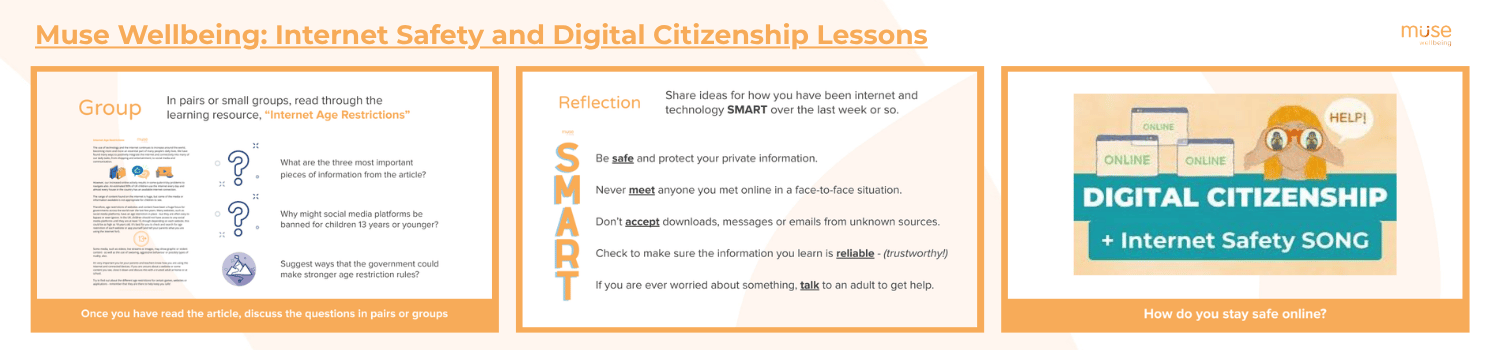
For schools looking for a simple pupil-facing structure, the SMART rules for internet safety can help children remember key principles. The rules give pupils a clear framework for thinking about safe, respectful and responsible choices online.
How Can I Teach Internet Safety in KS2?
Teaching KS2 pupils how to navigate the internet safely works best through consistent, hands-on and calm approaches. Repeatedly teaching pupils about online safety throughout the year, rather than only during Safer Internet Day, helps schools build a culture where online safety is discussed openly. It also gives pupils more chances to ask questions as their online experiences change.
A typical KS2 internet safety lesson often begins with a real-world scenario. For example, pupils might discuss what someone should do if they receive an unkind message, see an upsetting video or feel pressure to provide personal information. Using these types of scenarios creates useful opportunities for teachers to explore choices, consequences and sources of support.
The NSPCC online safety guidance for schools emphasises that online safety education should take place within broader safeguarding practice. For schools, this means internet safety lessons should sit alongside clear policies, staff knowledge, reporting processes and parent or carer communication. Pupils should feel confident that they can talk to a trusted adult if anything they experience online causes concern, worry or confusion.
Active learning strategies can support KS2 pupils well. Examples include quizzes, sorting activities, poster projects, small group discussions and short video clips. To avoid turning important safeguarding messages into a game, these activities should be designed to build understanding rather than simply test recall.
Teachers may also choose to use short video segments to introduce key concepts. Muse Wellbeing has created digital citizenship video lessons that encourage pupils to think about online choices, digital behaviour and responsible technology use. Teachers can use these videos as lesson starters, discussion prompts or review activities.
How Internet Safety Changes Throughout the Years of KS2
As pupils progress through KS2, internet safety education should also develop. Year 3 pupils may begin by identifying trusted adults, keeping personal information private and showing kindness online. At this stage, pupils are often ready to learn basic examples of safe choices, such as not sharing passwords or knowing who to ask for help when something online does not seem right.
Year 4 pupils can then look more closely at digital footprints, online communication and privacy. Pupils at this level can continue to examine how online actions can affect other people and why strong passwords are important. They can also begin exploring how to respond to bullying or unkind behaviour online.
Pupils in Year 5 can study online relationships, media balance and reputation in more depth. With increased use of online platforms and frequent access to personal or shared devices, lessons should help them recognise pressure, think before posting and understand how online content can affect thoughts, feelings and behaviour.
By the time pupils reach Year 6, they should be preparing for the transition to secondary school. Secondary school often brings greater responsibility for pupils’ own digital behaviour. For this reason, pupils should receive more developed teaching about social media, group chats, online consent, unsafe contact, misinformation and where to find help. This teaching should remain age-appropriate, while recognising that many Year 6 pupils are moving towards greater digital independence.
Resources from the UK Safer Internet Centre can support schools by providing age-appropriate materials, videos and educational tools for children aged 3 to 11. These resources can help reinforce core messages during assemblies, themed weeks or PSHE lessons.
For schools planning progression across the whole primary phase, it can also help to compare KS2 with earlier learning. Our guide to internet safety in KS1 explains how younger pupils can begin building safe and respectful online habits before moving into more complex KS2 themes.
A Whole-School Approach to Internet Safety
KS2 internet safety cannot sit in isolation. It needs to connect with safeguarding, PSHE, computing, relationships education, behaviour expectations and parent communication. This gives pupils a consistent message that internet safety is part of how they are cared for, as well as how they learn to care for themselves and others.
Schools can develop this approach further by making internet safety visible throughout the year. This could include regular PSHE sessions, assemblies, updates to parents, pupil voice opportunities and reminders during computing or digital learning. Pupils then hear the same key messages about internet safety from different adults and in different contexts.
A whole-school approach also supports staff confidence. Staff do not need to know everything about every app, game or platform. They do need clear principles, trusted processes for reporting concerns and enough confidence to guide discussion. When pupils ask questions about internet safety, staff can focus on what sits behind the question, such as behaviour, feelings or concerns about safety.
There is also a clear link between internet safety and pupil wellbeing. Pupils’ online experiences can affect their sleep, confidence, friendships and emotional wellbeing. Therefore, KS2 internet safety lessons should help pupils become aware of how online activity makes them feel. They should also help pupils identify when taking a break, speaking to an adult or making a different choice may be helpful.
Schools that plan internet safety carefully, teach it consistently and keep it age-appropriate can help pupils experience the benefits of technology while developing good judgement. Explore the full Muse Wellbeing PSHE curriculum to discover how online safety, digital citizenship, relationships and wellbeing can be taught through a cohesive whole-school programme.

Better Wellbeing for all
school communities
school communities
Muse Wellbeing
Subscribe for RSHE & Wellbeing Updates & Learning Resources
Receive essential information on RSHE and wellbeing for your school and community
Thank you!

Copyright © 2026 Muse | All Rights Reserved.
Are you ready to logout of Muse Wellbeing?
Write your awesome label here.
Created with