In practical terms, safeguarding includes child protection procedures, safer recruitment, staff training, record keeping, attendance monitoring, online safety, pastoral support and clear reporting routes. It also includes the way adults listen to children and respond when something appears to be wrong.
Safeguarding is sometimes seen as the responsibility of one person, usually the Designated Safeguarding Lead. The DSL has a central role, but safeguarding belongs to every adult in the school community. Teachers, teaching assistants, senior leaders, governors, office staff and volunteers all need to know how to recognise concerns and pass them on through the correct school procedures.
Safeguarding in schools matters because children spend a large part of their week in school. Staff often know pupils well and may notice changes in mood, behaviour, attendance, friendships or confidence. These changes do not always mean there is a safeguarding concern, but they can help adults identify when a child may need support.
A strong safeguarding culture helps schools act early. When staff understand what to look for and know what to do, children are more likely to receive help at the right time. This is why safeguarding is closely connected to leadership, staff confidence and whole school communication.
The
NSPCC guidance on safeguarding in schools highlights the importance of school policies, confident staff, confident leadership and teaching resources that promote wellbeing. This is a useful reminder that safeguarding is both procedural and cultural. Schools need clear systems, but those systems work best when children trust adults and staff feel confident using them.
For primary schools, this is especially important because younger children may not always have the words to explain worries clearly. They need simple, repeated messages about trusted adults, safe choices, respectful behaviour and asking for help.
Safeguarding in schools can be seen in many parts of daily school life. Some examples are formal and policy based. Others are part of the everyday culture that staff and pupils experience.
Examples of safeguarding in schools include:
- clear safeguarding and child protection policies
- a trained Designated Safeguarding Lead and deputy DSLs
- staff training on recognising, recording and reporting concerns
- safer recruitment checks for adults working with children
- support for attendance, behaviour, bullying and emotional wellbeing
- online safety education and monitoring systems
- age-appropriate teaching about relationships, boundaries and trusted adults
These examples show why safeguarding cannot sit in one policy folder or one annual training session. It needs to be visible in leadership decisions, classroom practice, pastoral support and curriculum planning.
In primary settings, safeguarding also includes helping children understand ideas such as personal space, privacy, safe and unsafe feelings, online behaviour, friendship problems and speaking to adults they trust. These topics are often developed through PSHE, RSHE and wider wellbeing education, including planned learning around
PSHE topics for primary schools.
Safeguarding in primary schools needs careful teaching and consistent adult support. Younger pupils may understand safety in simple, practical ways. They may know when something feels wrong, but they may not yet know how to explain it, who to speak to or what words to use.
This is why primary schools often return to safeguarding-related messages across different year groups and contexts. Children need to learn that trusted adults are there to help.
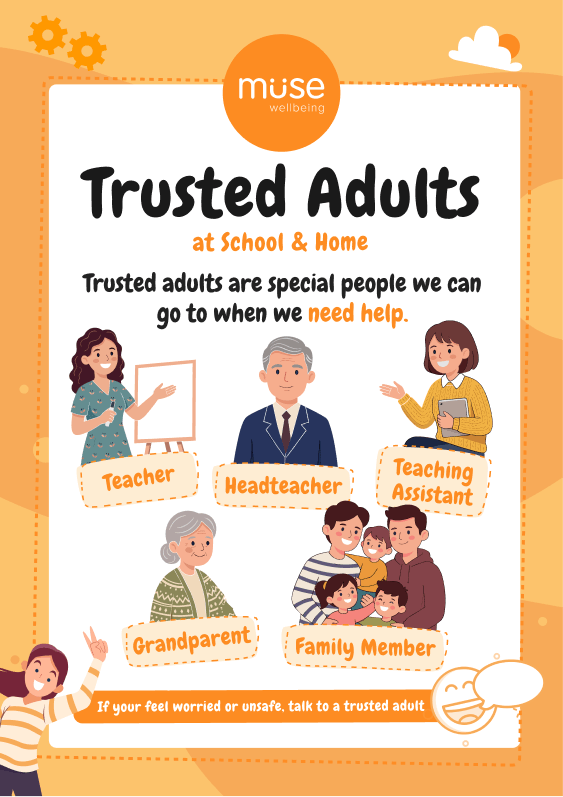
Students need to understand that worries can be shared and that asking for help is a positive action. They also need opportunities to discuss feelings, friendships, respect and online behaviour in ways that suit their age and stage of development.
Safeguarding in primary schools depends on adults noticing concerns, but it also depends on children gradually building confidence and language. A Year 1 pupil may need simple teaching about feelings and trusted adults. A Year 6 pupil may need more developed learning about online choices, peer pressure, privacy, changing relationships and transition.
This progression matters. When schools build safeguarding messages into a wider PSHE and wellbeing curriculum, pupils revisit important ideas with more maturity as they move through the primary years.
PSHE supports safeguarding in schools by helping children build the knowledge, language and confidence they need to stay safe, understand relationships and seek help from trusted adults. It does not replace safeguarding policies or child protection procedures. Instead, it supports the culture around them.
Through PSHE, pupils can learn about healthy friendships, respect, kindness, boundaries, consent, emotional wellbeing, online safety and where to find support. These topics help children understand what respectful behaviour looks like and what they can do if something does not feel right.
Relationships Education and Health Education are also important. The Department for Education’s
RSHE statutory guidance sets expectations for schools around relationships, health and wellbeing. In primary schools, this includes learning about families, friendships, respectful relationships, online relationships, mental wellbeing and physical health.
PSHE can support safeguarding by giving pupils regular opportunities to explore questions such as:
- What does a trusted adult do?
- What makes a friendship healthy?
- How can we respond if someone is unkind online?
- What should we do if we feel worried, pressured or unsafe?
- How can we respect another person’s personal space and boundaries?
These questions make safeguarding language more accessible. They also help pupils practise talking about safety and wellbeing before they are in a difficult situation.
Muse Wellbeing’s structured PSHE lessons support schools with planned coverage across relationships, health, wellbeing, online safety and personal development. For safeguarding, this kind of planned curriculum gives schools a clear way to revisit important ideas across Key Stage 1 and Key Stage 2.
Online safety is now a central part of safeguarding in schools. Children use digital tools earlier than ever and online experiences can affect friendships, wellbeing, behaviour and confidence. Primary pupils need clear teaching about privacy, passwords, trusted adults, screen time, respectful communication and what to do if something online worries them.
Online safety should not be taught as a one-off warning. It works best as part of a wider digital citizenship approach. Pupils need to understand both risk and responsibility. They should learn how to enjoy technology safely, communicate respectfully and recognise when to ask for adult help.
This links naturally with primary PSHE because online safety is not only technical. It is also social and emotional. It involves choices, feelings, peer pressure, kindness, privacy and trust. Schools can strengthen this area by connecting safeguarding procedures with planned learning on
digital citizenship and internet safety.
Safeguarding policies set out what adults must do. A safeguarding culture shapes what children feel able to say.
This distinction matters. A school may have clear policies, but pupils also need to feel that adults will listen. Staff need to know the procedures, but they also need the confidence to act. Leaders need to review documentation, but they also need to understand how safeguarding feels in everyday school life.
Ofsted’s guidance on
how it inspects safeguarding in schools refers to the importance of an open and positive safeguarding culture that puts pupils’ interests first. For primary schools, this means safeguarding should be reflected in relationships, assemblies, classroom discussions, online safety teaching, behaviour expectations and pupil voice.
A policy is essential. A culture is what helps pupils experience safeguarding in practice.
A simple safeguarding checklist is a useful tool for schools to identify whether safeguarding systems, responsibilities and curriculum messages are being implemented across the school. The purpose of this checklist is not to replace statutory guidance, local procedures or professional advice. However, it can support regular reflection by schools on their safeguarding systems.
When policies and PSHE work together effectively, safeguarding becomes easier to implement for staff and more meaningful for pupils.
Primary schools may want to check that:
- Their policies and leadership are clear: safeguarding policies are up to date and all adults in school know who the Designated Safeguarding Lead (DSL) and deputy DSLs are
- Adults have knowledge of how to act: adults in school know how to record, report and escalate concerns
- Training is current: training for adults in school matches roles, responsibilities and school procedures
- Safer systems are followed: recruitment, visitor checks, signing in and identification procedures are consistent across the school
- Children know how to seek help: children can identify trusted adults and understand how to share worries
- Curriculum messages are planned: PSHE, RSHE and online safety lessons cover relationships, boundaries, wellbeing and seeking help
This type of checklist provides a way to link safeguarding processes with daily school culture. It also allows leaders to see whether children are receiving clear, consistent messages about safety, trust and asking for help.
A safer school culture is built through consistency. Leaders need clear policies. Staff need training and confidence. Pupils need trusted adults. Families need clear communication. The curriculum needs to give children the knowledge and language to understand safety, relationships and wellbeing.
At this point, safeguarding in schools becomes a whole school practice rather than another compliance task. Strong safeguarding is supported when staff understand their roles, pupils know who they can speak to and leaders regularly review how procedures work in real situations.
Pupil voice can also play a useful role. Schools can ask children whether they know who to speak to, whether they feel safe in different parts of school and whether they understand key messages from PSHE and online safety lessons. This should be handled carefully and appropriately, but it can help leaders understand how safeguarding culture is experienced by pupils.
Wellbeing also matters. Children who can name feelings, talk about worries and understand how to seek support are better placed to engage with the adults around them.
Safeguarding in schools is a whole school responsibility. It depends on clear policies, trained staff, effective leadership and careful responses to concerns. In primary schools, it also depends on a culture where children feel safe, respected and able to speak to trusted adults.
PSHE, RSHE, online safety and wellbeing education can all support this culture. They help pupils understand relationships, boundaries, emotions, digital choices and help-seeking in age-appropriate ways. They also give schools a structured way to revisit important safeguarding messages across the primary years.
Muse Wellbeing supports primary schools with ready-to-use lessons across PSHE, RSHE, online safety and wellbeing. Explore the full
Muse Wellbeing curriculum to see how structured PSHE can support a safer, more confident school community.