
Bullying in British Schools
Mar 4
/
Muse Wellbeing

Author: David
David is the Muse Wellbeing director and lead curriculum developer. His Main passions include education, surfing and travelling.
David is the Muse Wellbeing director and lead curriculum developer. His Main passions include education, surfing and travelling.

Edited/Reviewed: Tashia
Tashia is a SENCO and LSA support lead with a love for inclusive education. An avid gardener, she enjoys the outdoors and hiking.
The prevalence of bullying in British schools continues to be a major concern for educators, parents and school leaders throughout the United Kingdom. Although many schools work hard to provide safe and welcoming environments for all pupils, bullying continues to impact the wellbeing, attendance and academic engagement of some young people. Understanding how bullying is defined, how frequently it occurs and what schools are required to do enables educators to take a consistent and informed approach to addressing this issue.
What Is Bullying in British Schools?
The Department for Education defines bullying in British schools as behaviour that is repeated, intentional and involves a power imbalance. This definition is reflected in the DfE’s Preventing and Tackling Bullying guidance. Bullying can take the form of physical, verbal, relational or cyber behaviour.
Physical bullying includes behaviours such as pushing or hitting. Verbal bullying is often characterised by repeated name-calling or persistent teasing. Relational bullying typically centres on deliberate exclusion or spreading rumours. Cyberbullying refers to harassment or harmful behaviour that takes place through digital platforms or electronic communication.
It is important to distinguish bullying from ordinary childhood disagreements. Conflict is a natural part of development. However, bullying differs in two key ways: it is repeated and involves a power imbalance. Because of these characteristics, bullying is more likely to cause lasting harm and is less likely to be resolved without adult support.
How Common Is Bullying in UK Schools?
While prevalence varies by age group and context, research suggests that bullying remains a significant issue in UK schools. The Anti-Bullying Alliance reports that a substantial proportion of pupils say they have experienced bullying at some point during their school life.
Appearance-based bullying and social exclusion are consistently identified as among the most common forms reported by pupils. In younger primary classes, bullying may relate to friendship dynamics. In older year groups, digital platforms increasingly play a role in the spread and visibility of harmful behaviour.
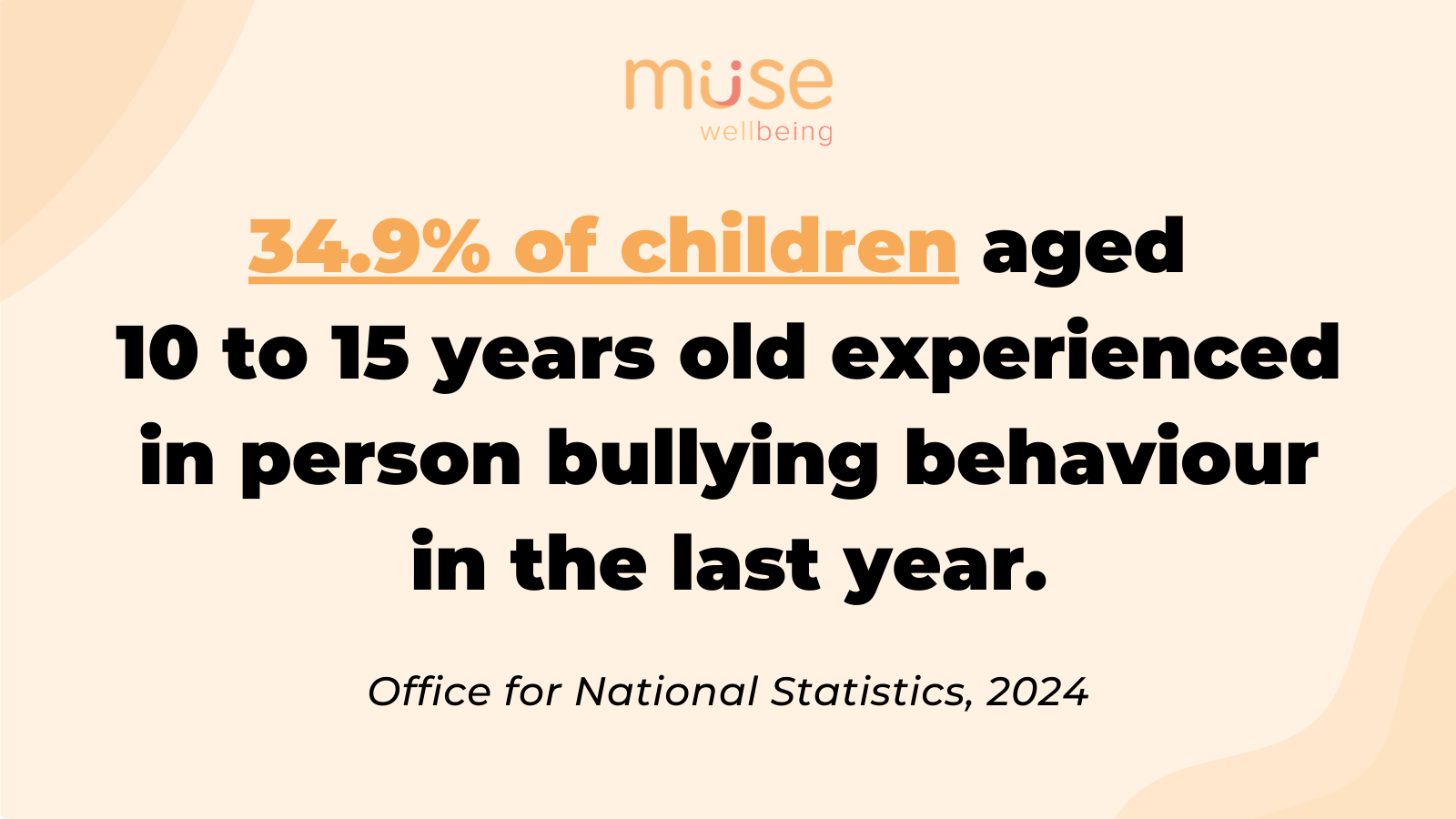
Even when bullying does not occur daily, its cumulative impact can be significant. For this reason, emphasis should be placed on prevention and early identification rather than relying solely on reactive measures.
Bullying in Primary Schools UK
Bullying in primary schools in the UK often presents differently from later key stages. Younger pupils may struggle to articulate what they are experiencing or may describe repeated incidents as “just falling out”. This can make identification more complex for adults working with these children.
In primary classrooms, bullying may involve repeated exclusion from play, ongoing teasing related to appearance or ability, or prolonged name-calling. Digital aspects of bullying become increasingly relevant in upper primary, particularly as pupils begin using messaging apps, online games or shared digital spaces.
Primary-aged children are still developing emotional vocabulary and empathy. Structured teaching around kindness, boundaries and respectful communication is therefore especially important in early years and primary education. Early intervention helps prevent escalation and supports the development of positive peer relationships.
The Impact of Bullying on Children’s Wellbeing and Learning
A number of studies indicate a clear link between bullying, emotional wellbeing and academic engagement. The National Health Service (NHS) provides guidance on children’s mental health and highlights that ongoing bullying can lead to sustained stress, which may contribute to anxiety, low mood or withdrawal.
Children who experience bullying at school often demonstrate lowered self-esteem and reduced confidence. Some may become reluctant to attend school. When a child feels unsafe or anxious within the school environment, concentration and cognitive engagement are affected, which can lead to difficulties with learning. For this reason, behaviour, wellbeing and safeguarding are closely interconnected within school systems.
Statutory Responsibilities for Schools on Bullying
In England, schools have a legal duty to prevent bullying and to respond appropriately when incidents occur. Under the Education and Inspections Act 2006, headteachers must determine measures to encourage good behaviour and prevent bullying as part of a school’s behaviour policy.
The Department for Education’s statutory behaviour guidance outlines expectations for schools when developing behaviour policies, investigating concerns and providing appropriate support. Schools are required to have a behaviour policy in place and to take reasonable steps to investigate and act upon complaints regarding bullying.
Bullying itself is not defined as a specific criminal offence. However, certain behaviours associated with bullying may constitute criminal acts, including harassment, physical assault or online abuse. In more serious cases, schools may need to involve external agencies or the police.
Preventing Bullying Through PSHE and RSE
Prevention remains the most effective long-term approach. Many schools address bullying proactively through structured PSHE and Relationships Education programmes.
Relationships Education is a statutory requirement for all primary-aged pupils and includes teaching about respectful relationships, personal boundaries and how to seek support from trusted adults. These themes provide a structured foundation for anti-bullying education and are revisited at developmentally appropriate stages. You can find out more about anti-bullying lessons in KS2 classrooms here.
High-quality PSHE education supports the development of emotional literacy, reinforces respectful behaviour and establishes clear reporting pathways. Increasingly, schools are embedding anti-bullying education throughout the year rather than limiting it to awareness events.
Structured programmes such as the Muse Wellbeing PSHE curriculum develop these themes progressively across year groups. Early lessons focus on recognising feelings and identifying trusted adults. As pupils move through the primary years, teaching expands to explore peer pressure, online behaviour and personal boundaries in greater depth.
You can view how this progression is structured within the Muse Wellbeing PSHE curriculum overview.
Creating a Positive School Culture
Effective anti-bullying practice depends on a whole-school approach. Policies are most successful when they reflect the culture, modelling and consistency demonstrated by adults within the setting.
Schools with strong anti-bullying practice typically demonstrate:
- Clear and visible behaviour expectations
- Consistent adult supervision and presence
- Robust safeguarding systems
- Ongoing staff training on recognising and responding to bullying
- Safe and accessible reporting pathways for pupils
Organisations such as the NSPCC emphasise the importance of ensuring that children know who they can speak to if something feels unsafe. When pupils feel listened to and supported, concerns are more likely to be raised early, strengthening trust and reducing escalation.
Conclusion
Bullying in British schools remains a complex issue that requires clarity, consistency and preventative strategy. Schools have statutory responsibilities to respond to incidents and safeguard pupils. However, long-term impact is most effectively achieved through structured education and the development of a positive school culture.
By embedding anti-bullying principles within PSHE and Relationships Education, schools can foster emotionally literate and respectful communities where pupils feel safe, supported and valued.

Better Wellbeing for all
school communities
school communities
Muse Wellbeing
Support
Subscribe for RSHE & Wellbeing Updates & Learning Resources
Receive essential information on RSHE and wellbeing for your school and community
Thank you!

Copyright © 2026 Muse | All Rights Reserved.
Ready to logout of Muse Wellbeing?
logout of Muse Wellbeing?Write your awesome label here.
Created with