
Sex Education in Year 6
Mar 12
/
Muse Wellbeing

Author: David
David is the Muse Wellbeing director and lead curriculum developer. His Main passions include education, surfing and travelling.
David is the Muse Wellbeing director and lead curriculum developer. His Main passions include education, surfing and travelling.

Edited/Reviewed: George
George is an international school teacher based in Asia. A passionate language learner and polyglot, he thrives in diverse classrooms.
George is an international school teacher based in Asia. A passionate language learner and polyglot, he thrives in diverse classrooms.
Year 6 sex education provides pupils with age-appropriate information about puberty, body changes and human reproduction, and helps prepare them for the transition to secondary school. Many primary schools include Year 6 sex education within their PSHE and RSE curriculum so that pupils can explore these topics through a safe, calm and well-planned learning experience.
What Is Covered in Year 6 Sex Education?
Sex education in Year 6 often builds on earlier learning about growing up, body awareness and personal boundaries. At this stage, many pupils are ready for more direct teaching about puberty, reproduction and the physical and emotional changes that may happen as they grow older.
Year 6 sex education is often taught alongside statutory relationships education, health education and relevant science content. In England, relationships education is compulsory in primary schools and health education is compulsory in state-funded schools. Sex education itself is not compulsory in primary schools.
Even so, many schools choose to include sex education in Year 6 as part of a broader curriculum that supports pupils as they approach adolescence and move towards secondary education.
Typical Year 6 sex education topics include:
- Puberty and body changes
- Hygiene and self care
- Emotional changes during adolescence
- Basic human reproduction
- Personal boundaries, safety and respect
If you would like to see the wider context of sex education in Key Stage 2, please read our guide to sex education in KS2 for more detail on how this learning develops across the key stage.
Why Year 6 Is an Important Time for Sex Education
Year 6 is often the last opportunity primary schools have to support pupils before they move to secondary school. Pupils in Year 6 may already be experiencing puberty, beginning to notice body changes, or becoming more aware of the changes taking place around them. Because of this, clear and factual teaching can make a real difference.
The national curriculum for science states that pupils in Years 5 and 6 should learn to describe the changes as humans develop to old age. The non-statutory notes also state that pupils should learn about the changes experienced during puberty. This makes Year 6 a very natural point for schools to revisit and extend this learning.
The NHS also explains that mood changes, new emotions and increased self-awareness can all be part of puberty. This is one reason why Year 6 sex education should not focus only on physical changes, but should also include the emotional changes linked to growing up.
When schools teach these topics well, pupils are more likely to feel informed rather than anxious. This matters even more when they are preparing to enter a new school environment with new routines, expectations and social experiences.
Is Sex Education Compulsory in England in Year 6?
This is one of the most common questions asked by parents and schools.
Sex education is not compulsory in primary schools in England. However, all primary schools must provide relationships education, and state-funded schools must provide health education. Parents have the right to request that their child be withdrawn from some or all sex education taught beyond the science curriculum.
That said, many primary schools choose to provide sex education in Year 6 to help prepare pupils for secondary school and to support their understanding of puberty and growing up. Government curriculum planning guidance also makes clear that schools have flexibility in how they plan and sequence this learning to meet the needs of their pupils and wider school community.
For that reason, Year 6 sex education is often included within a broader PSHE and RSE programme rather than being taught as a stand-alone lesson. If you would like to look at this broader picture, our article on sex and relationships education for primary schools provides a helpful summary.
Typical Themes in Sex Education Year 6 Lessons
A strong Year 6 sex education programme can cover a number of important areas. It should help pupils understand their bodies, feel safe, ask appropriate questions and begin to make sense of the changes linked to growing up.
Puberty and Body Changes
Puberty is one of the clearest areas of focus in Year 6 sex education lessons. Many Year 6 programmes include information about the physical changes that happen during puberty. These may include body hair, wet dreams, body odour, menstruation and other body changes that happen as children grow into adolescence. The NHS explains that puberty begins at different ages for different children, which helps pupils understand that development does not happen at exactly the same time for everyone.
Emotional Changes and Wellbeing
Year 6 sex education lessons can also help pupils understand how puberty affects thoughts and feelings as well as the body. Lessons may support children in understanding emotions, self-image, privacy and how to seek support if something feels confusing or uncomfortable. This is one reason why the topic sits well within a wider wellbeing curriculum.
Basic Human Reproduction
Some schools choose to teach basic human reproduction in a simple and age-appropriate way in Year 6. This is often linked to science and positioned carefully within the school’s wider curriculum and policy. Lessons should be factual, sensitive and suitable for the age and maturity of the pupils.
Safety, Respect and Boundaries
Year 6 sex education lessons also reinforce respect, consent, privacy and knowing when to seek help. These ideas are introduced at a primary level and then developed further in ways that children can understand clearly. Safeguarding guidance remains relevant here, especially when helping children distinguish between safe and unsafe situations and identify trusted adults they can talk to.
How Year 6 Lessons Build on Earlier KS2 Learning
Year 6 sex education should not feel sudden or disconnected from previous learning. The best programmes build gradually from earlier KS2 learning.
In lower KS2, pupils often begin by learning about friendships, respectful relationships, growing up and personal boundaries. In Year 5, many schools then introduce more direct teaching around puberty and body awareness.
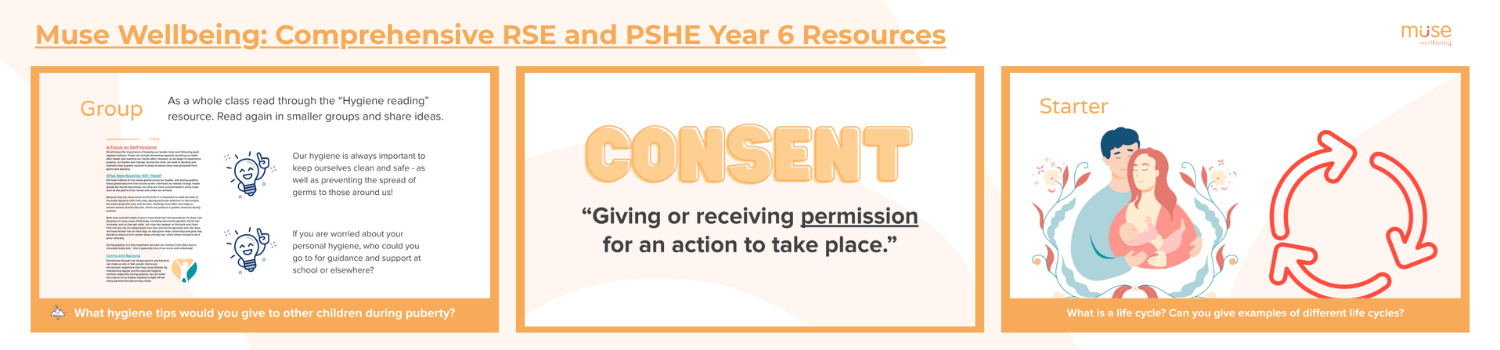
By Year 6, this learning develops further through a clearer explanation of puberty, reproduction and preparation for transition to secondary school. This sequencing matters. Government guidance on planning RSHE emphasises that schools should create a curriculum that is well planned, tailored to their pupils and suitable for their age and maturity.
Supporting Parents with Sex Education in Year 6
Year 6 can feel like a sensitive stage for families, so communication is especially important. Schools should explain what will be taught, why it is included and how lessons will be adapted to reflect the age and maturity of the class.
The Sex Education Forum’s evidence and guidance is useful for schools looking to communicate well with parents. Recent polling found that 52% of young people rated their RSE as good or very good. While this does not refer specifically to Year 6, it does highlight the importance of high-quality teaching and strong teacher support.
For parents who would like extra support at home, the NSPCC offers guidance for parents on talking about sex and relationships.
Effective Sex Education in Year 6
Effective sex education in Year 6 should be calm, factual and carefully sequenced. It should help pupils understand puberty, human development and reproduction as they prepare for the move to secondary school. Just as importantly, it should support pupils in developing confidence, dignity and emotional wellbeing through this stage of learning.
When this learning is placed within a broader PSHE and RSE curriculum, pupils can connect it to earlier discussions around relationships, self-respect, safety and growing up. When reviewing your school’s wider provision, our guides to what is RSE in education and the PSHE curriculum in KS2 can help place Year 6 sex education within the wider picture.
A strong Year 6 approach should be age appropriate, clearly communicated and delivered with confidence so that pupils feel better prepared for the changes ahead.

Better Wellbeing for all
school communities
school communities
Muse Wellbeing
Subscribe for RSHE & Wellbeing Updates & Learning Resources
Receive essential information on RSHE and wellbeing for your school and community
Thank you!

Copyright © 2026 Muse | All Rights Reserved.
Are you ready to logout of Muse Wellbeing?
Write your awesome label here.
Created with