Sex education in Year 3 and Year 4 is not usually taught in the same way as it is in Years 5 and 6. In most primary schools, lower KS2 is more about preparing children for later learning than moving straight into direct puberty teaching.
At this stage, lessons are more likely to focus on friendships, respect, privacy, personal boundaries, safety and knowing who to go to for help. That early groundwork matters. It gives children the language and understanding they need before more direct learning begins in upper KS2.
Parents often ask this because the phrase itself can sound more direct than the classroom reality.
In England, primary schools must teach
relationships education, and health education is also compulsory in state-funded schools. Sex education is different, as it is not a statutory part of the primary curriculum. Schools can decide whether any extra sex education content is needed, depending on the age and needs of their pupils.
That is why learning in Year 3 and Year 4 focuses more on the foundations that prepare pupils for the topics introduced later in Years 5 and 6. In many schools, there is little or no direct sex education at this stage. Instead, children are taught the earlier ideas that support later learning. That might include personal space, healthy friendships, body privacy, trusted adults, permission-seeking and knowing when something feels unsafe.
At this stage, lessons often focus on helping pupils understand what puberty is, why body changes happen and how children can look after themselves as they grow older. Many schools also begin preparing pupils for the more detailed learning that may follow in Year 6. The 2026 statutory guidance explains that schools may choose to teach sex education in Years 5 and 6, although sex education itself is not compulsory in primary schools.
These first two KS2 year groups matter because children are changing socially as well as academically. Friendships start to become more complex. Independence grows. Online life may begin to play a bigger part too. At the same time, children are becoming more curious about themselves, other people and the wider world.
This is why lower KS2 can be such a useful point for schools to teach the basics well. The statutory guidance says pupils should learn about kindness, honesty, respect, permission-seeking and personal privacy from the primary years onwards. It also makes clear that understanding space and boundaries helps children prepare for later learning about consent.
So rather than rushing into content that feels too advanced, schools can use Year 3 and Year 4 to help children feel secure, informed and confident in the basics.
In many schools, Year 3 and Year 4 lessons do not focus on reproduction or detailed puberty content - though some schools and curriculum may introduce puberty in Year 4 lessons. The emphasis is usually on the earlier themes that sit underneath later sex education.
Children need to know what a good friendship looks like. They also need help recognising when a friendship feels unkind, unfair or uncomfortable. The statutory guidance says pupils should understand the features of positive friendships, the value of self-respect and where to go for help if something is wrong.
This is often the stage where teachers begin introducing simple but important language around privacy and boundaries. Pupils can learn that everyone has a right to personal space, that some types of touch are not okay, and that asking permission matters in everyday relationships. The statutory guidance for primary relationships education includes learning about personal privacy, appropriate and inappropriate contact, and permission-seeking.
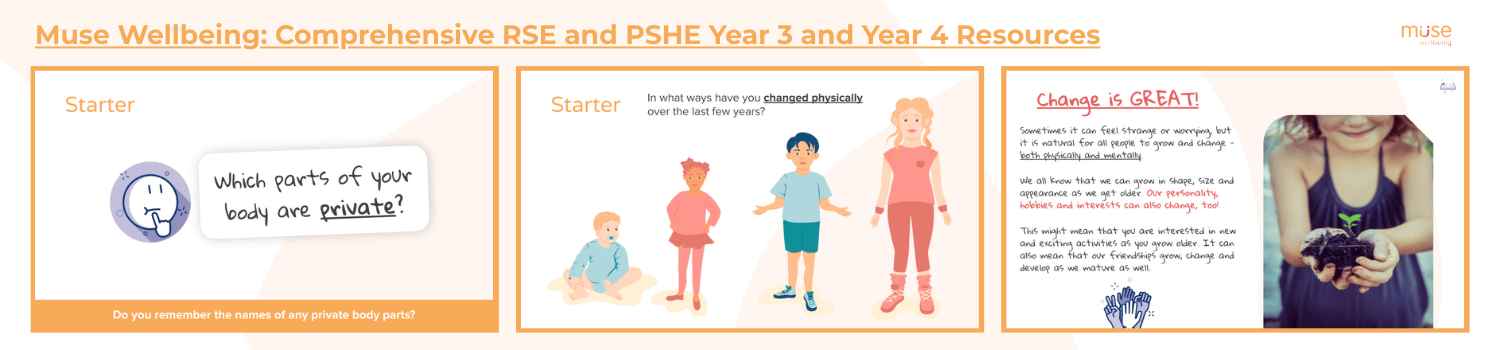
Children also benefit from very clear messages about safety. Their body belongs to them. Not all secrets should be kept. If something feels wrong, they should keep asking for help until an adult listens. These are important safeguarding ideas, and they sit closely alongside the “Being safe” outcomes in the primary guidance.
By the end of primary school, many children are already spending time online. Because of that, schools are expected to teach children about online relationships and online safety in ways that reflect real life. Lower KS2 is a sensible stage for discussing respect, privacy and safety both online and offline.
It is helpful to see Year 3 and Year 4 as part of the build-up. Schools are not skipping important content here. They are teaching the ideas that make later sex education more meaningful and easier to understand.
By Year 5, many schools begin to introduce puberty more directly. By Year 6, this often develops into fuller teaching around puberty, reproduction and preparing for secondary school. When children already understand boundaries, privacy, safety and respectful relationships, that later learning usually lands much better.
Government
planning guidance also makes clear that schools can shape their curriculum around the age, needs and context of their pupils, and many schools teach this work within a wider PSHE framework.
To see how that progression works across the key stage, you can also read our guides to sex education in KS2, sex education in Year 5 and sex education in Year 6.
Clear and transparent communication matters across the whole school community. For some parents, the phrase “sex education in Year 3” sounds more advanced than what is actually being taught. Schools should explain the content clearly, show how it matches the age of the class and make it clear why these lessons matter.
GOV.UK’s planning guidance says schools should outline their content or scheme of work, explain when topics are taught and clarify the right to request withdrawal from sex education where that applies.
In practice, many schools find these conversations easier when they explain the focus plainly. Year 3 and Year 4 are often about relationships education, safety and laying the foundations for later puberty learning. Parents who want to continue these conversations at home may also find the NSPCC’s guidance on
healthy relationships useful.
A strong lower KS2 approach should feel calm, clear and age appropriate. In most schools, that means focusing on the knowledge, language and confidence children need to stay safe, respect themselves and build healthy relationships.
Those foundations matter. When they are taught well, children are much better prepared for the more direct puberty learning that often begins later in KS2.