PSHE Posters for Primary Schools
Mar 21
/
Muse Wellbeing

Author: David
David is the Muse Wellbeing director and lead curriculum developer. His Main passions include education, surfing and travelling.
David is the Muse Wellbeing director and lead curriculum developer. His Main passions include education, surfing and travelling.

Edited/Reviewed: George
George is an international school teacher based in Asia. A passionate language learner and polyglot, he thrives in diverse classrooms.
George is an international school teacher based in Asia. A passionate language learner and polyglot, he thrives in diverse classrooms.
Primary school PSHE poster ideas can be helpful tools when they are chosen carefully and used with purpose. A poster will never replace good teaching, but it can reinforce classroom language, support routines and help pupils remember important messages during the school day. In a primary setting, the most effective posters are usually clear, positive and closely linked to the wider PSHE curriculum.
Primary schools often use visual resources to reinforce whole-school messages around pupil wellbeing, safety, relationships and behaviour. This means posters can fit well within the wider aims of PSHE education. The PSHE Association also identifies physical health as an important part of PSHE, including learning around food choices and healthy lifestyle habits.
Below you can find free PSHE posters for school and classroom displays in both A4 and A3 formats.
PSHE Posters for Schools
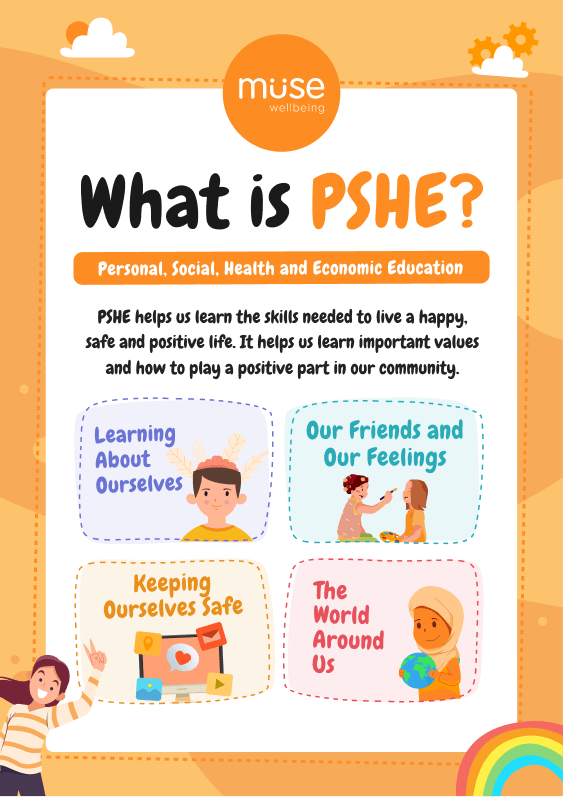
What Is PSHE?
A “What Is PSHE?” poster is a strong choice for a classroom or corridor display because it gives pupils a simple overview of the subject. In primary schools, children benefit from seeing that PSHE is about learning how to stay safe, understand feelings, build positive relationships and play an active part in the world around them. A poster like this can also help staff and visitors see that PSHE covers a wide range of themes rather than one single topic.
This type of display works well near a PSHE board or in a shared space where a school wants to introduce the subject clearly. It can also help pupils see the bigger picture of the curriculum and support consistency across year groups.
... DOWNLOAD A4 - DOWNLOAD A3
... DOWNLOAD A4 - DOWNLOAD A3
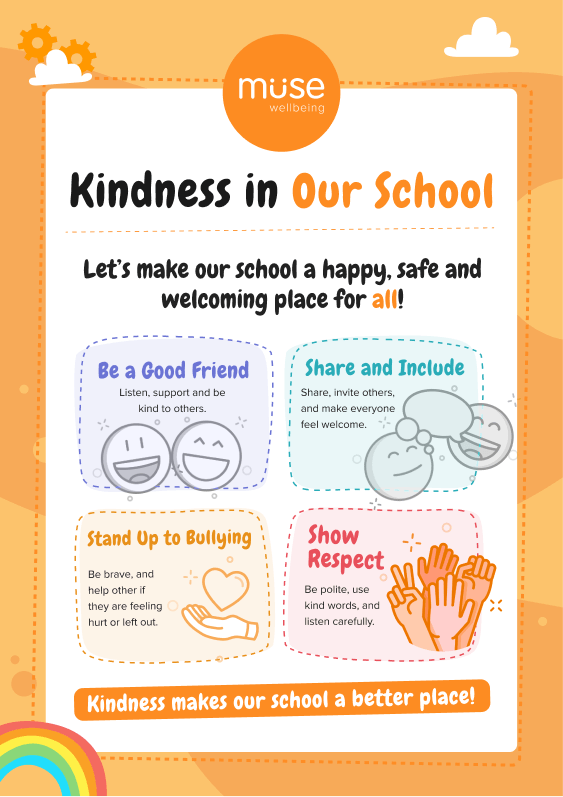
Kindness in Our School
A kindness poster is another useful way for a school to make its values visible. Messages about being a good friend, helping others, showing respect and speaking kindly are simple, but they matter. A kindness poster can help reinforce the everyday language teachers use in classrooms and around the school.
It can also support a positive school culture. This kind of poster often works best when it reflects the tone adults want pupils to hear and use regularly, rather than sounding formal or overly rule-based.
... DOWNLOAD A4 - DOWNLOAD A3
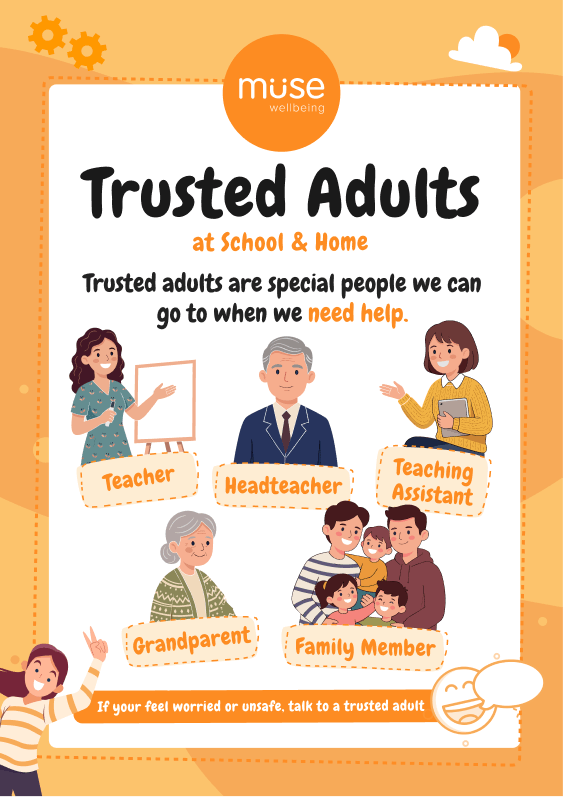
Trusted Adults at School and Home
A trusted adults poster can be both practical and reassuring. It reminds pupils that there are people they can go to if they feel worried, upset or unsafe. In a primary school, visual reminders like this can help children become more familiar with the language of support and safeguarding.
Schools may choose to place this type of poster in classrooms, nurture spaces, pastoral areas or near corridors and toilets so that pupils can see it easily. The key is to keep the message calm, clear and supportive.
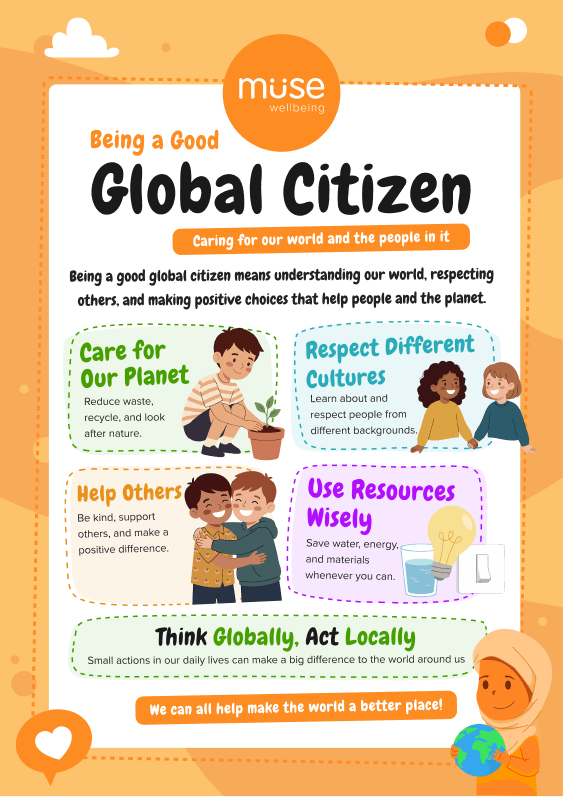
Healthy Habits
When creating posters about healthy habits in school, it is often most effective to focus on everyday routines. Messages around eating well, drinking water, getting enough sleep, staying active and keeping clean can all support wider wellbeing learning. The NHS Eatwell Guide explains that healthy eating is about balance over time rather than perfection, which is a helpful principle for schools too.
PSHE can also benefit from visual reminders about healthy habits because they help children connect lesson content to their everyday lives. These posters can sit well alongside wider school messages about self-care, readiness to learn and physical wellbeing.
... DOWNLOAD A4 - DOWNLOAD A3
... DOWNLOAD A4 - DOWNLOAD A3
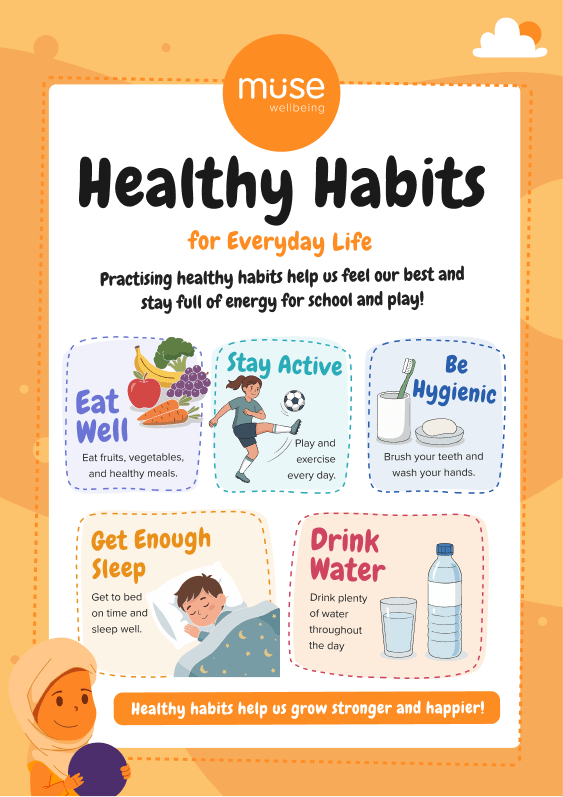
Helping Pupils Live Their British Values
British values posters are most effective when they go beyond naming the values and help pupils understand what they look like in real life. Democracy, the rule of law, individual liberty, mutual respect and tolerance of different faiths and beliefs become much clearer and more meaningful when they are presented in pupil-friendly language.
A poster can help turn abstract ideas into accessible messages. This can make the display useful for assemblies, circle time and classroom reflection.
... DOWNLOAD A4 - DOWNLOAD A3
... DOWNLOAD A4 - DOWNLOAD A3
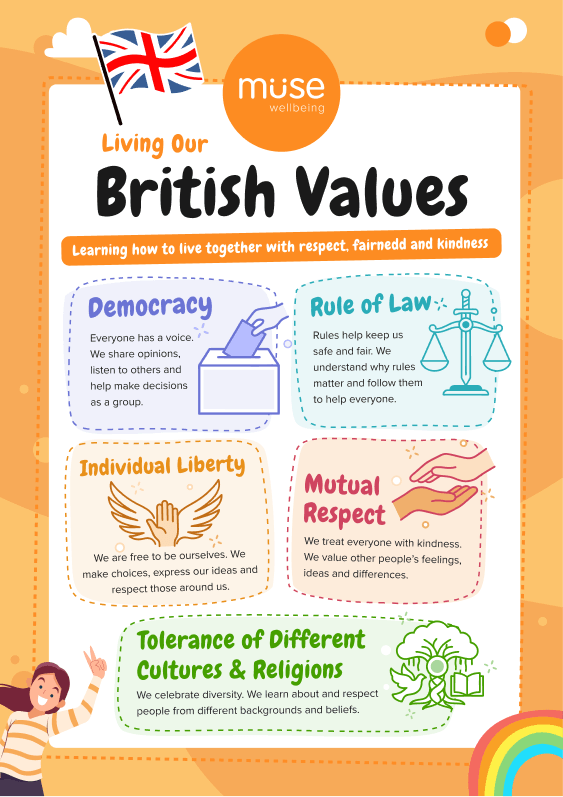
Teaching Children About Calm Choices and Self-Regulation
Visual aids about self-regulation can support children in recognising their feelings and responding calmly. In primary schools, visual prompts are especially useful because they give pupils a shared language for talking about feelings, behaviour and regulation strategies. A calm choices poster might include reminders about deep breathing, asking for help, taking a break or noticing emotional signals before behaviour escalates.
Displays like this are often most effective in classrooms, nurture rooms and pastoral areas where pupils need simple reminders they can return to regularly.
... DOWNLOAD A4 - DOWNLOAD A3
... DOWNLOAD A4 - DOWNLOAD A3
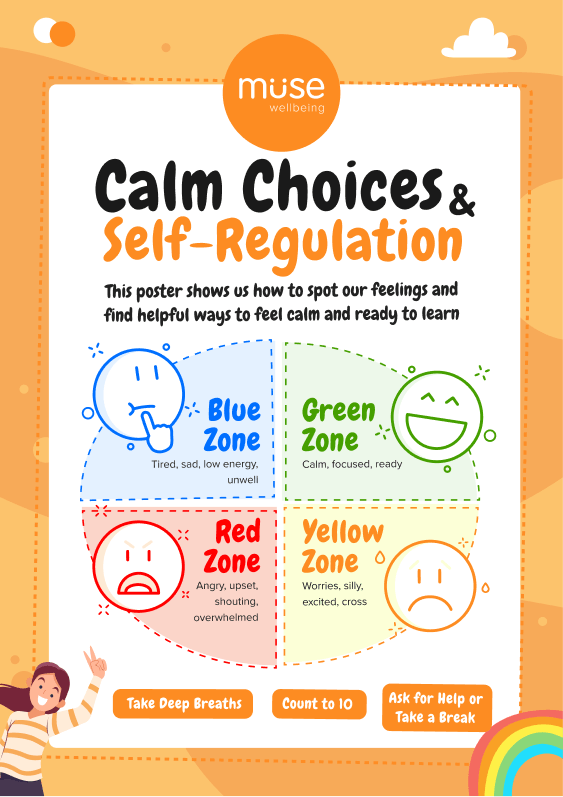
Developing Children’s Understanding of Being a Good Global Citizen
A global citizenship poster can encourage children to think about their role in the wider world. Themes such as caring for the environment, respecting different cultures, helping others and using resources wisely all connect well to PSHE and the wider ethos of the school. Displays linked to global citizenship often work best when they feel hopeful and practical.
For primary pupils, the aim is not to burden them with large global problems. It is to help them see that small actions, respectful attitudes and thoughtful choices can still make a difference.
... DOWNLOAD A4 - DOWNLOAD A3
... DOWNLOAD A4 - DOWNLOAD A3
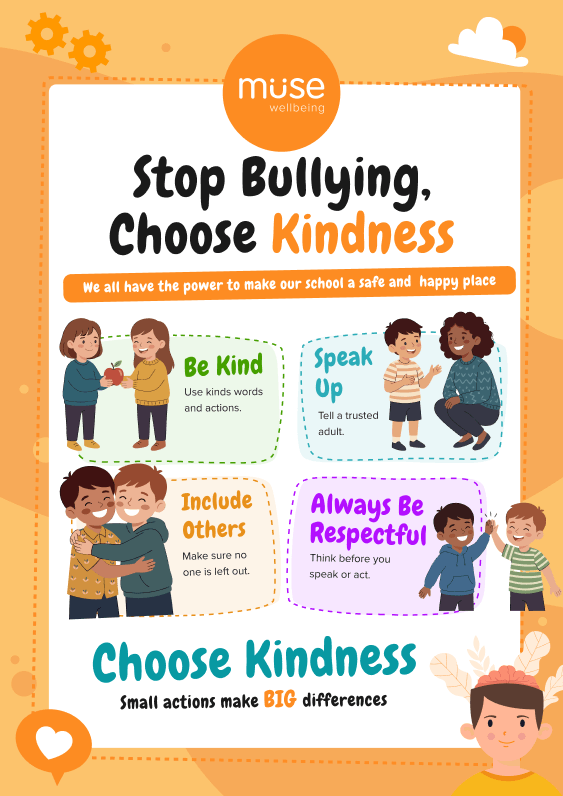
Creating Anti-Bullying Posters That Support Positive Behaviour
Anti-bullying posters are most effective when they are positive, clear and easy for children to understand. A strong anti-bullying poster can reinforce messages about kindness, speaking up and including others. It can also support the wider safeguarding message that pupils should tell a trusted adult when something does not feel right.
These posters tend to work best when they sit within a wider whole-school approach to behaviour, relationships and pupil support.
... DOWNLOAD A4 - DOWNLOAD A3
... DOWNLOAD A4 - DOWNLOAD A3
How to Use PSHE Posters in Primary Schools
Effective PSHE posters are usually the ones that relate clearly to school life. Rather than filling walls with too many displays, many schools find that a smaller number of relevant posters linked to current teaching, classroom routines or whole-school priorities works better. In that sense, a poster becomes a teaching prompt rather than simple decoration.
Teachers can refer back to posters during class discussions, use them in assemblies or build short reflection activities around them. For example, a kindness poster could support a discussion about friendship. A trusted adults poster could help introduce safeguarding language. A healthy habits poster could sit alongside learning about balanced lifestyles and school food. The government guidance on school food standards explains that the standards are there to help children develop healthy eating habits and to make sure they have the energy and nutrition they need across the school day.
Posters can also help reinforce progression in PSHE. A school may choose posters linked to relationships, health, safety, wellbeing and citizenship so that children see familiar messages across the year. If you are thinking about how this fits into your wider curriculum, our PSHE topics guide and blog on what PSHE stands for provide useful context for primary schools.
Free PSHE Poster Resources for Primary School Teachers
Free PSHE poster resources can be a helpful starting point for primary schools. The main question is not really whether a poster is free, but whether it communicates the messages your school wants to reinforce. A good poster should feel calm, purposeful and appropriate for primary-aged children.
If a school uses a joined-up set of posters covering PSHE, kindness, trusted adults, healthy habits, British values, self-regulation, global citizenship and anti-bullying, this can help create a clearer and more consistent message across classrooms and shared spaces. If your school would also like to strengthen the wellbeing focus, our Six Ways to Wellbeing blog offers a helpful companion topic.
Good PSHE posters for primary schools are clear, purposeful and rooted in everyday school life. When used well, they can reinforce key messages, support pupil understanding and help schools create a calm, positive and consistent learning environment.

Better Wellbeing for all
school communities
school communities
Muse Wellbeing
Subscribe for RSHE & Wellbeing Updates & Learning Resources
Receive essential information on RSHE and wellbeing for your school and community
Thank you!

Copyright © 2026 Muse | All Rights Reserved.
Are you ready to logout of Muse Wellbeing?
Write your awesome label here.
Created with